
Ignite Bay Area.
Join us in our mission to ignite change in the Bay Area. Stay informed about the latest trends and needs in our communities.
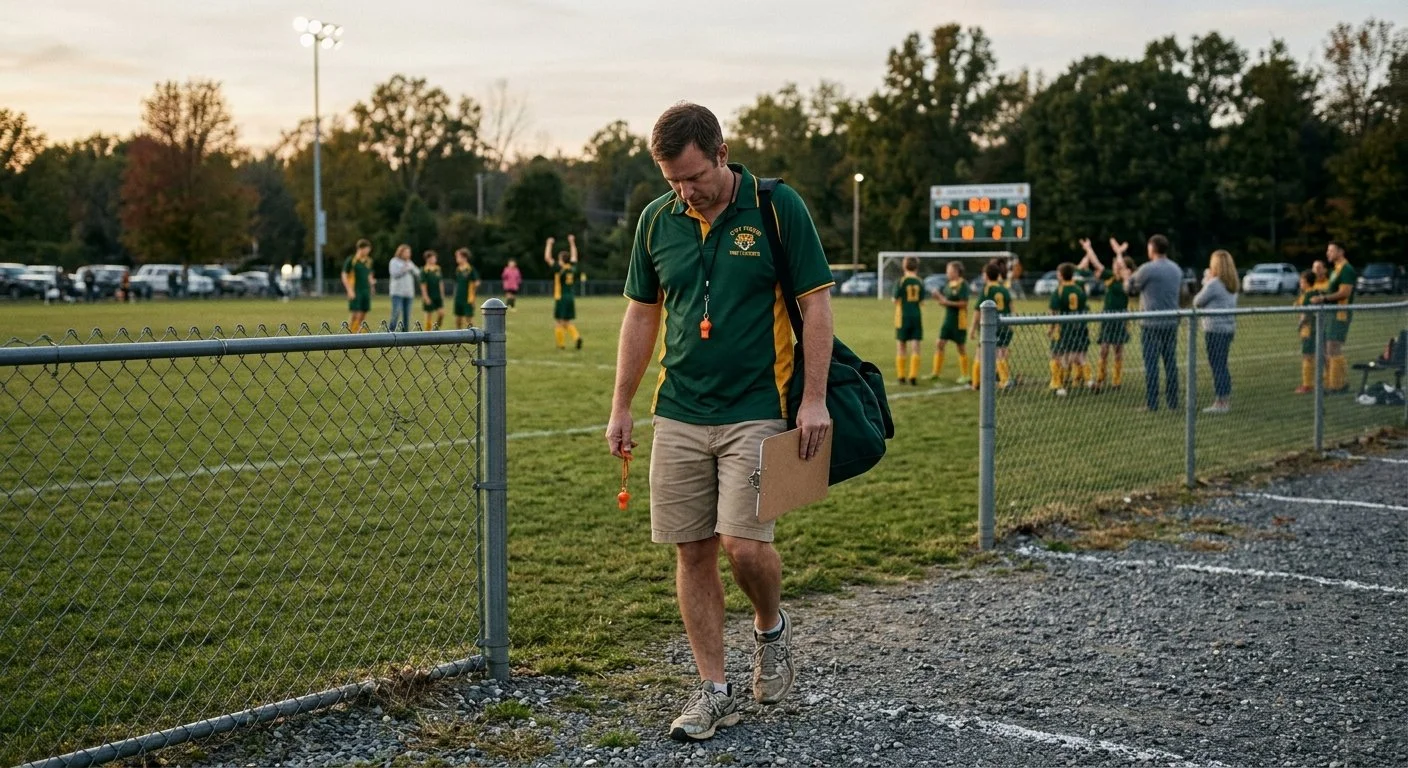
The Disappearing Rec Coach
Coaching youth rec sports used to take a few hours a week and a good attitude. Today, California volunteers face 10–13 hours of clearances, training, and paperwork before the season, with more requirements coming in 2027 and 2028. What does that mean for the parents who keep community sports running?

Prescriptions for Death
California's statute is explicit: actions taken under EOLA 'shall not constitute suicide.' But a person who deliberately ends their own life by self-administering a prescribed drug is doing exactly what that word describes.
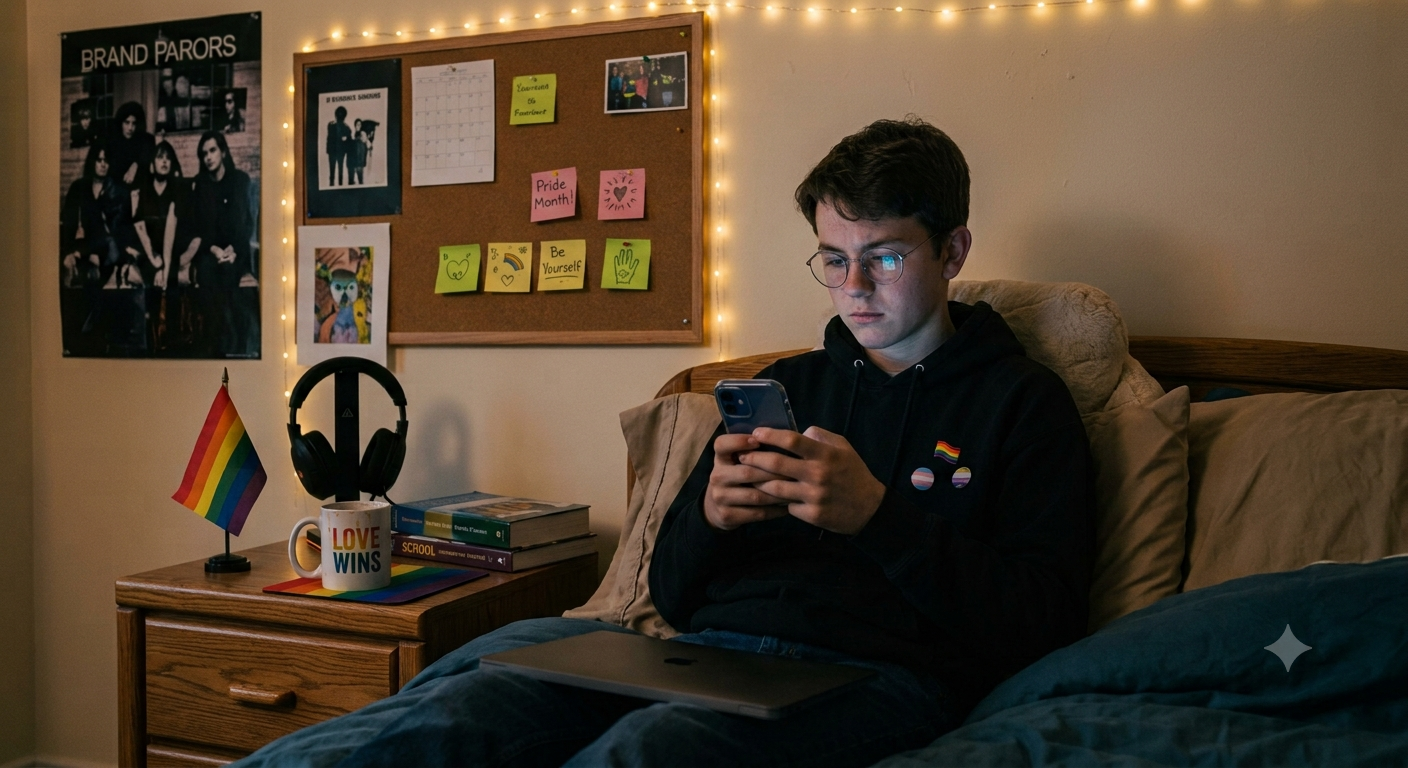
Pride, Porn, and Kids
As Pride celebrations wind down each summer, the flags come in and the parades end. What doesn't end is the online crisis quietly unfolding for the very youth those festivities claim to champion. Somewhere behind the rainbow banners, a 13-year-old questioning their sexual identity has opened a browser tab their parents will never see. They're not looking for trouble — they're looking for answers.
Youth who identify as LGBTQ+ or who are questioning their identity are twice as likely as their peers to be consuming pornography and sexting.
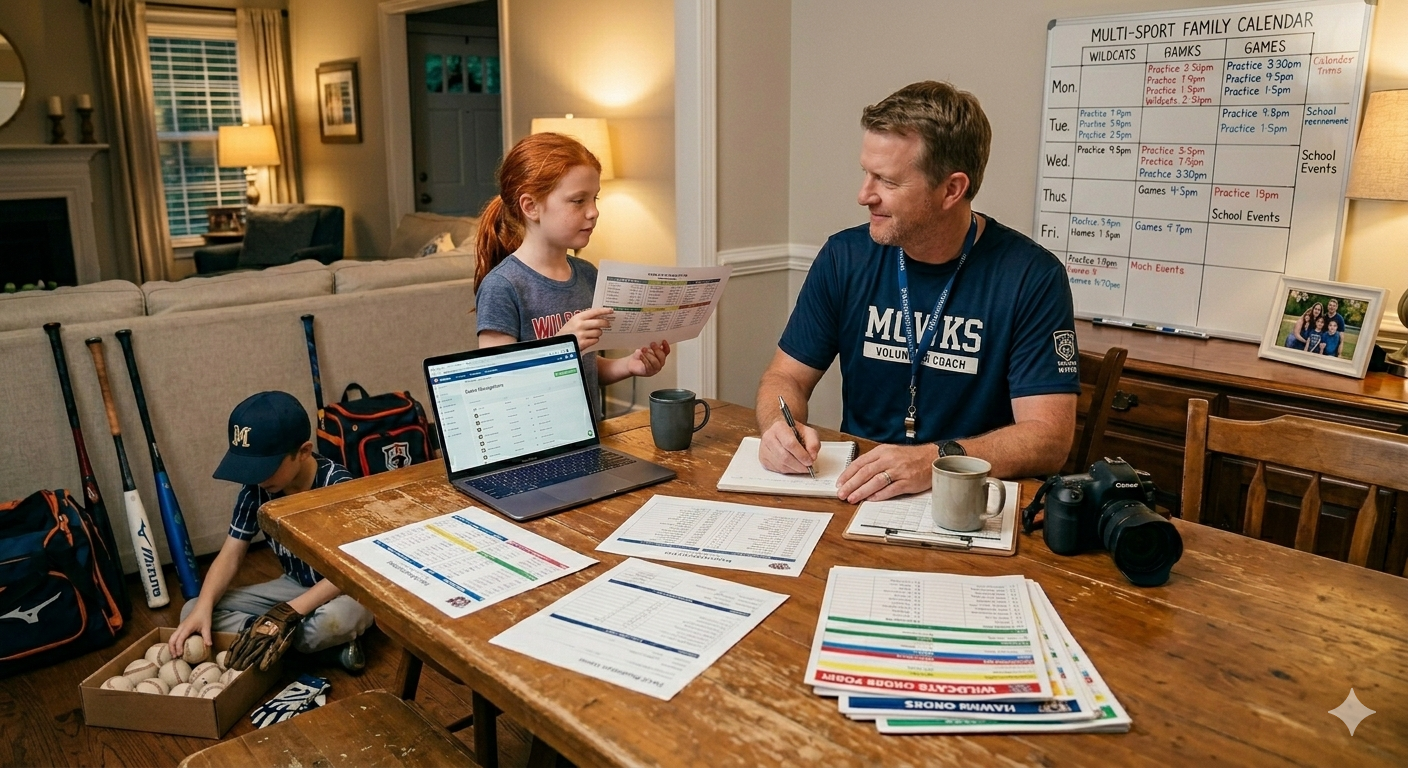
Why Youth Sports Has Become a Father's Second Job
More children play organized sports than any other activity outside of school. For the parents driving the carpool, funding the travel, and showing up season after season, the investment goes far deeper than anyone expects — and the returns last a lifetime.
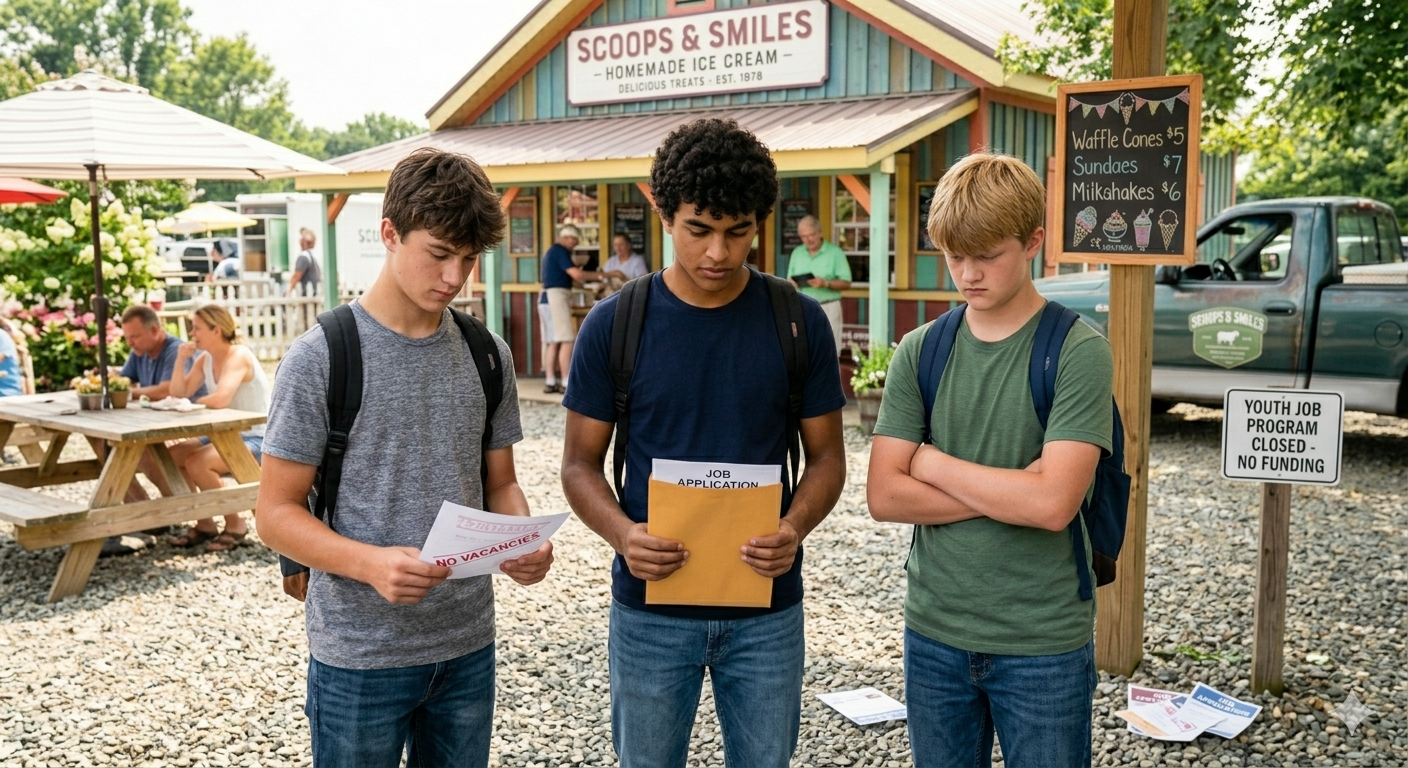
Why Aren't Teenagers Working Anymore?
Fewer teens are working than at any point in modern history. The reasons say as much about our culture as they do about our economy.
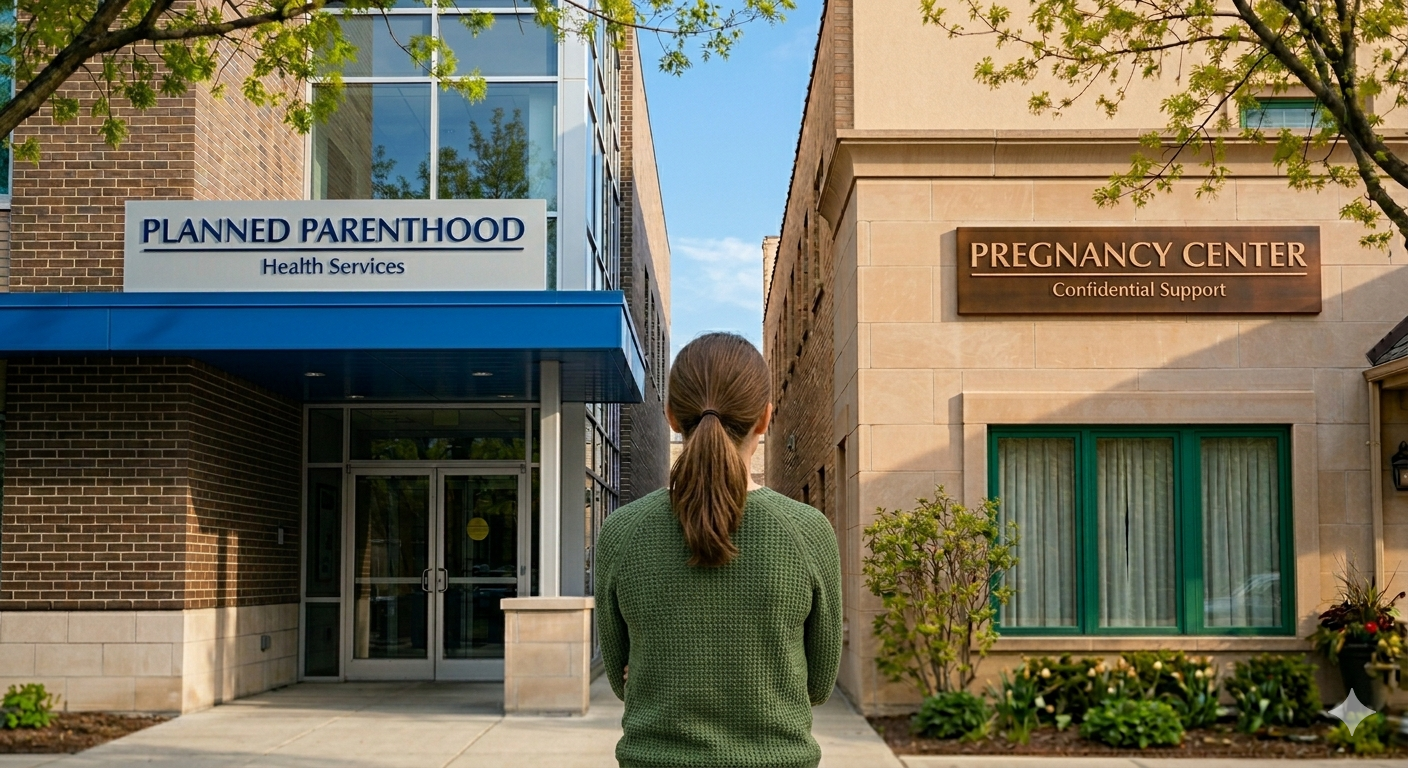
Planned Parenthood vs. Pregnancy Centers
One is closing clinics and launching Botox services. The other is building medical labs. Both are responding to the same moment — for very different reasons.
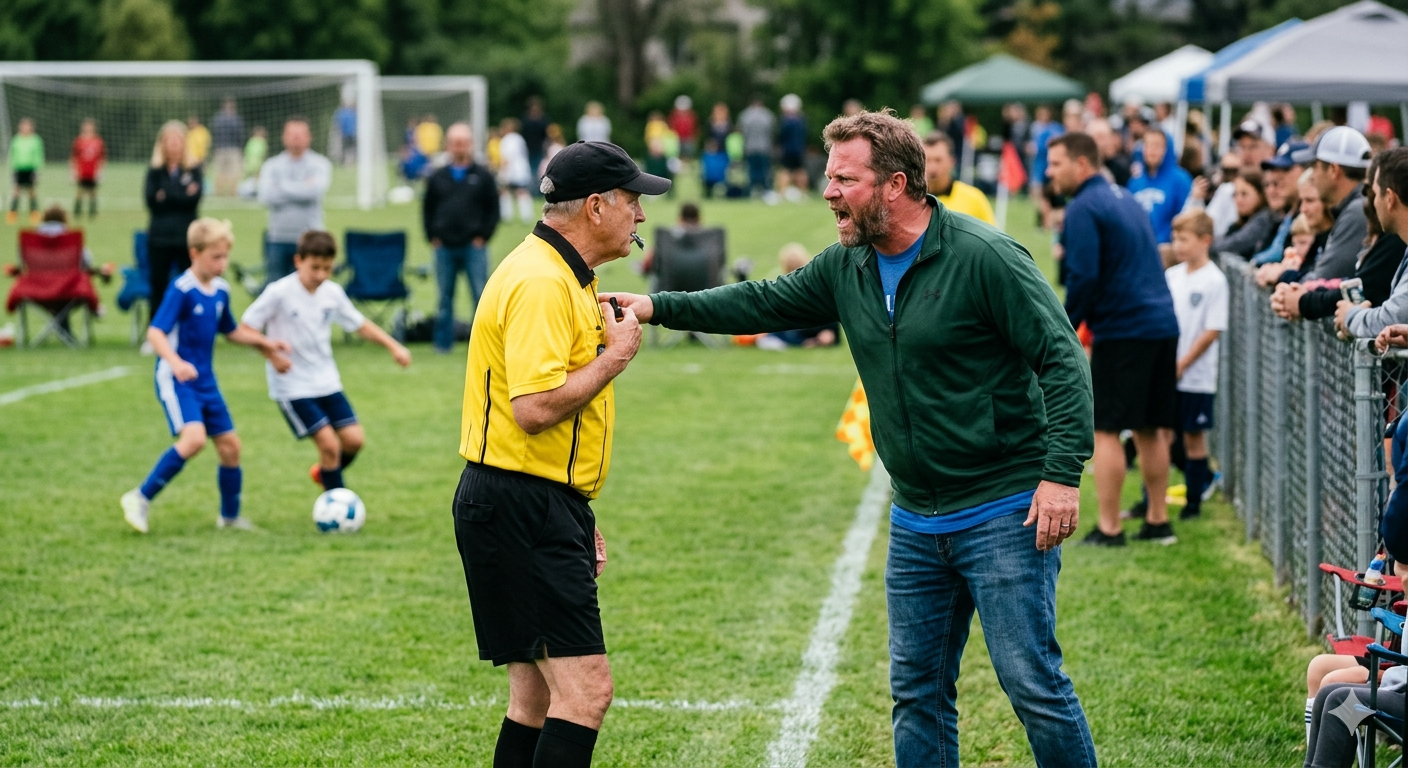
Out of Bounds: How Adult Behavior Is Eroding Youth Sportsmanship
69% of sports officials say youth sportsmanship is getting worse. The data points to adults — not athletes — as the primary cause. As costs and pressures surrounding youth sports continue to rise, the behavior of parents, coaches, and fans is too often setting a poor example for the athletes they are there to support.
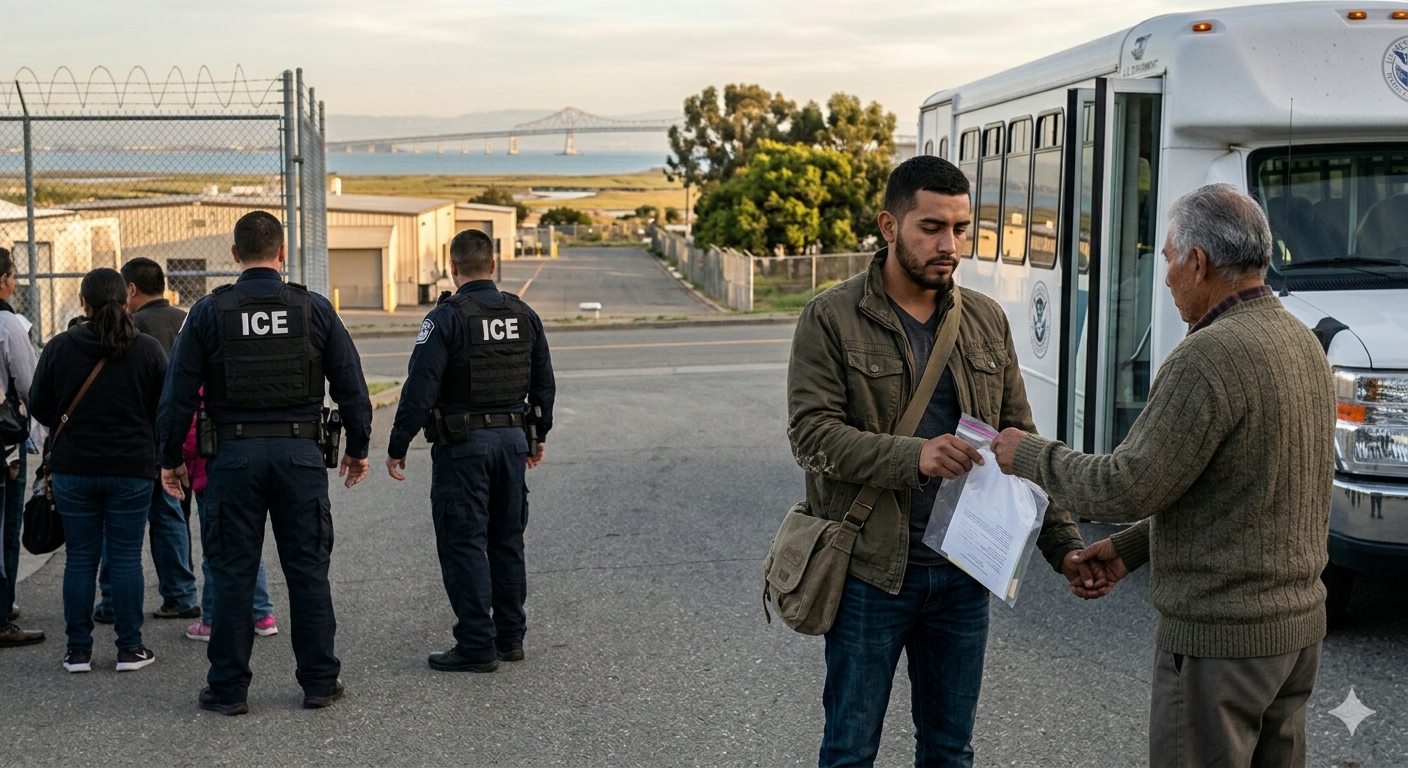
Detention Up 114%: ICE Enforcement Trends in California and the Bay Area
Immigration enforcement has escalated sharply since our last analysis in June 2025. Nationally, detention is up 74%. In California, the detained population has more than doubled. And across the Bay Area's nine counties, courts issued nearly 9,500 formal deportation orders in 2025 — a record high. Here's what the data shows, and what to watch as 2026 unfolds.
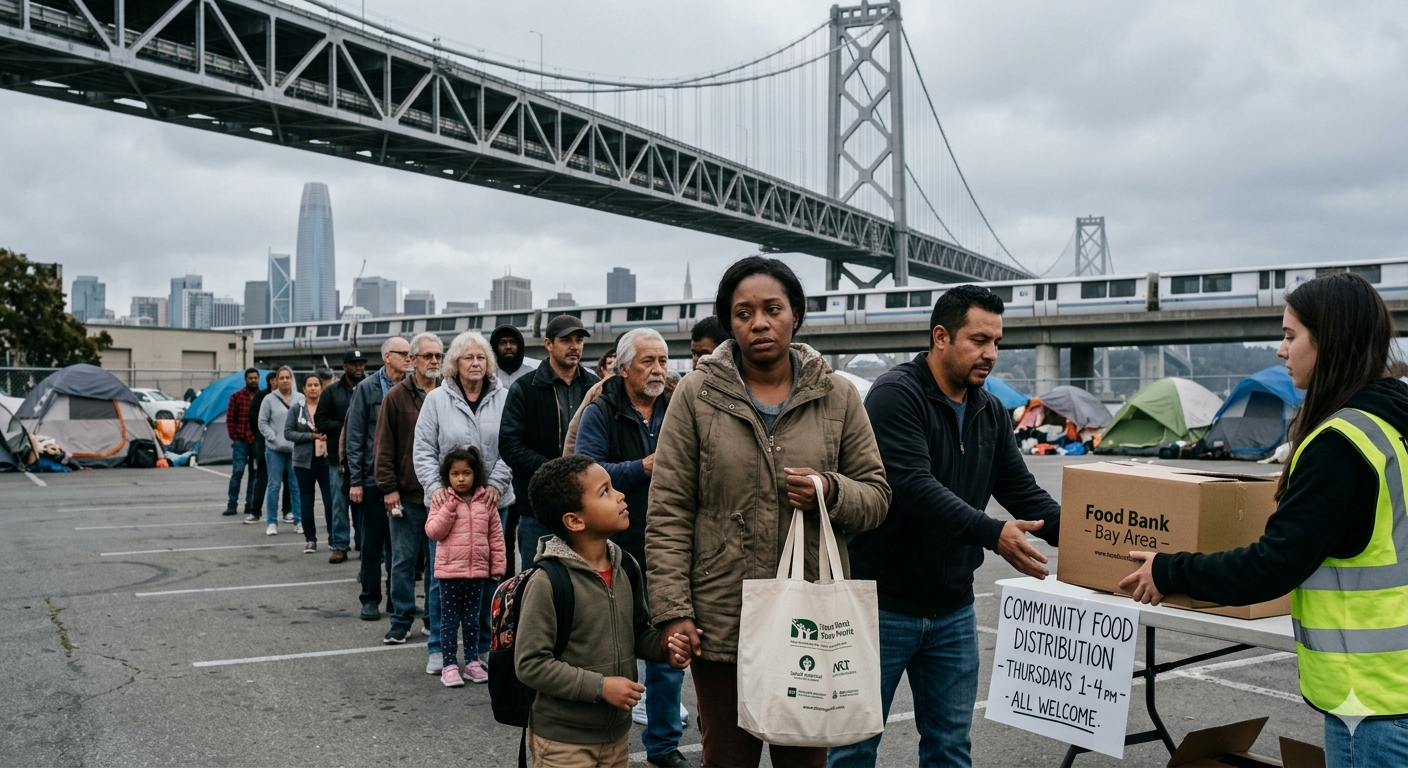
No Room Left: War, Inflation, and the Families Who Can't Afford Another Hit
The Bay Area is one of the wealthiest regions on earth. Yet nearly one in two public school students qualifies for free or reduced-price lunch — and that was before the Iran war sent gas and grocery prices surging.
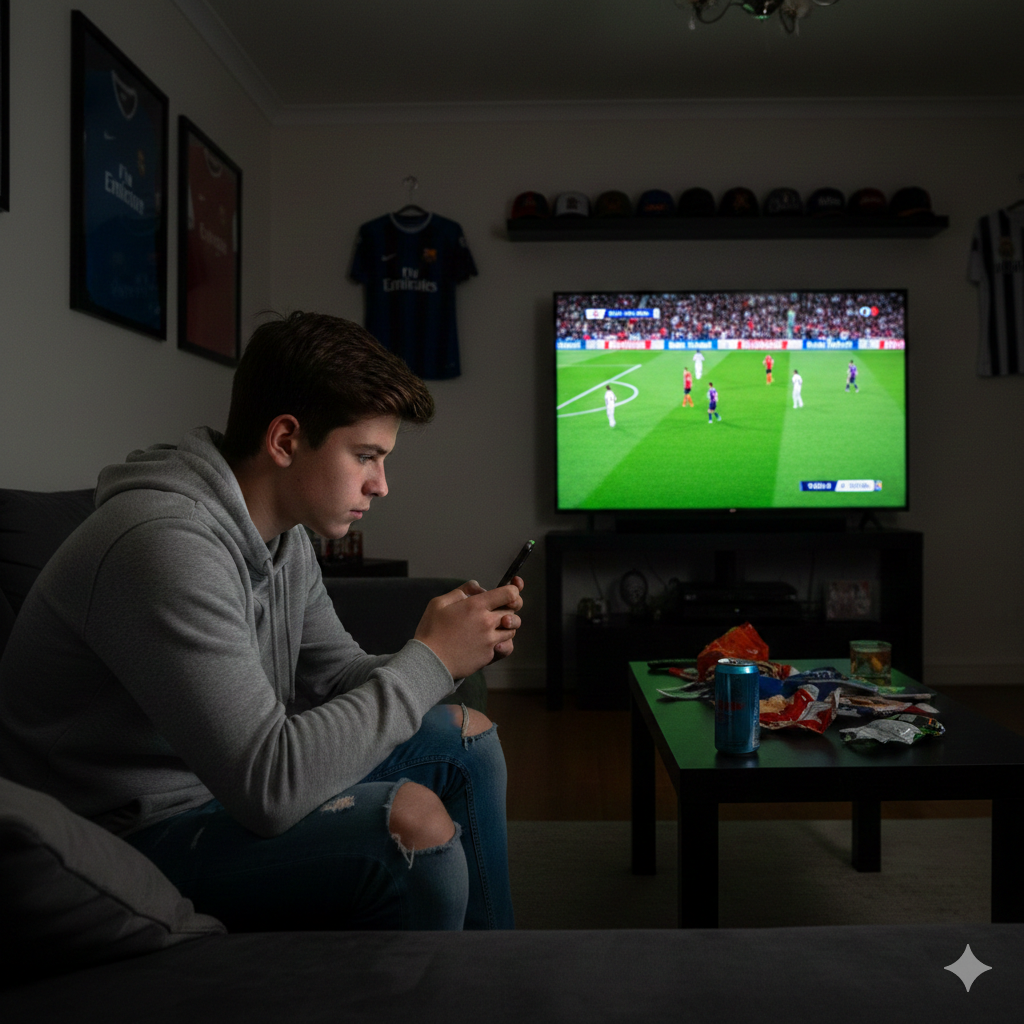
California Banned Sports Betting. Nobody Told the 18-Year-Olds.
Casinos are obvious. Prediction markets are not. By recasting bets as trades, these platforms have made addiction harder to spot, harder to admit, and harder to treat.

California Banned Sports Betting. How Are Millions Trading the Super Bowl?
California's voters have twice rejected online sports betting, making it explicitly illegal. Yet right now, millions of Californians are legally betting on the Super Bowl from their phones. Every day, they're trading on thousands of events: presidential elections, economic data, AI releases, even geopolitical conflicts.
Despite this apparent variety, approximately 90% of all prediction market trading volume is sports betting, according to Kalshi—the very activity California voters explicitly rejected. The market has exploded from $50 million in 2023 to over $100 billion in 2026—a 2,000-fold increase. The mechanism? A legal loophole that reclassifies gambling as 'investing.

The $40,000 Entry Fee: College Golf's Recruitment Reality
With roster sizes shrinking and the cost of national recruitment now reaching $40,000 a year, the "buy-in" for the average family has become a significant barrier. This article breaks down the new economics of the game—where a competitive budget can consume up to 38% of a family's income—and what these structural changes mean for the future of junior golf.

Bay Area Youth: The Rebound
After years of decline, Bay Area students are showing remarkable recovery: attendance up 23%, chronic sadness down 22%, and suicide consideration cut in half in some counties.

20 Million Reports: The Online Child Exploitation Crisis
The online threat to children is accelerating faster than protections. With 68% of exploitation reports coming from social media platforms and predators using cross-platform tactics, parents need to delay social media access, teach children to avoid strangers online, and watch for the warning sign: requests to move conversations to different apps.

The Ozempic Gap: When Weight Loss Becomes a Luxury
Ozempic and similar GLP-1 drugs represent the most significant pharmaceutical advancement in obesity treatment to date. But there's a critical detail often overlooked: stop taking them, and you'll regain approximately two-thirds of your lost weight within a year. This isn't a diet pill—it's a lifelong commitment that costs thousands annually, creating a stark divide between those who can afford ongoing treatment and those who cannot.

$6 a Day: The Reality of Food Stamps in the Bay Area
Nearly 680,000 Bay Area residents—9% of the population—rely on CalFresh to put food on the table. Among them are children needing breakfast before school, seniors on fixed incomes, and working families struggling to afford both rent and groceries. The average benefit is just $192 per person per month. In a region where a single fast food meal averages $13, this breaks down to about $6.31 per day per person.

Pay to Play: Youth Sports Cost Bay Area Families $5,610+
A child's primary sport alone typically consumes 2–3% of a family's annual income, if not more. In the Bay Area, costs have surged 22% since 2022, with families now spending an average of $1,901 per child per sport—87% higher than the national average. This financial burden is pricing low-income families out entirely: only 33.9% of children from families below the poverty line engage in sports, compared to 64.9% from the highest income families.
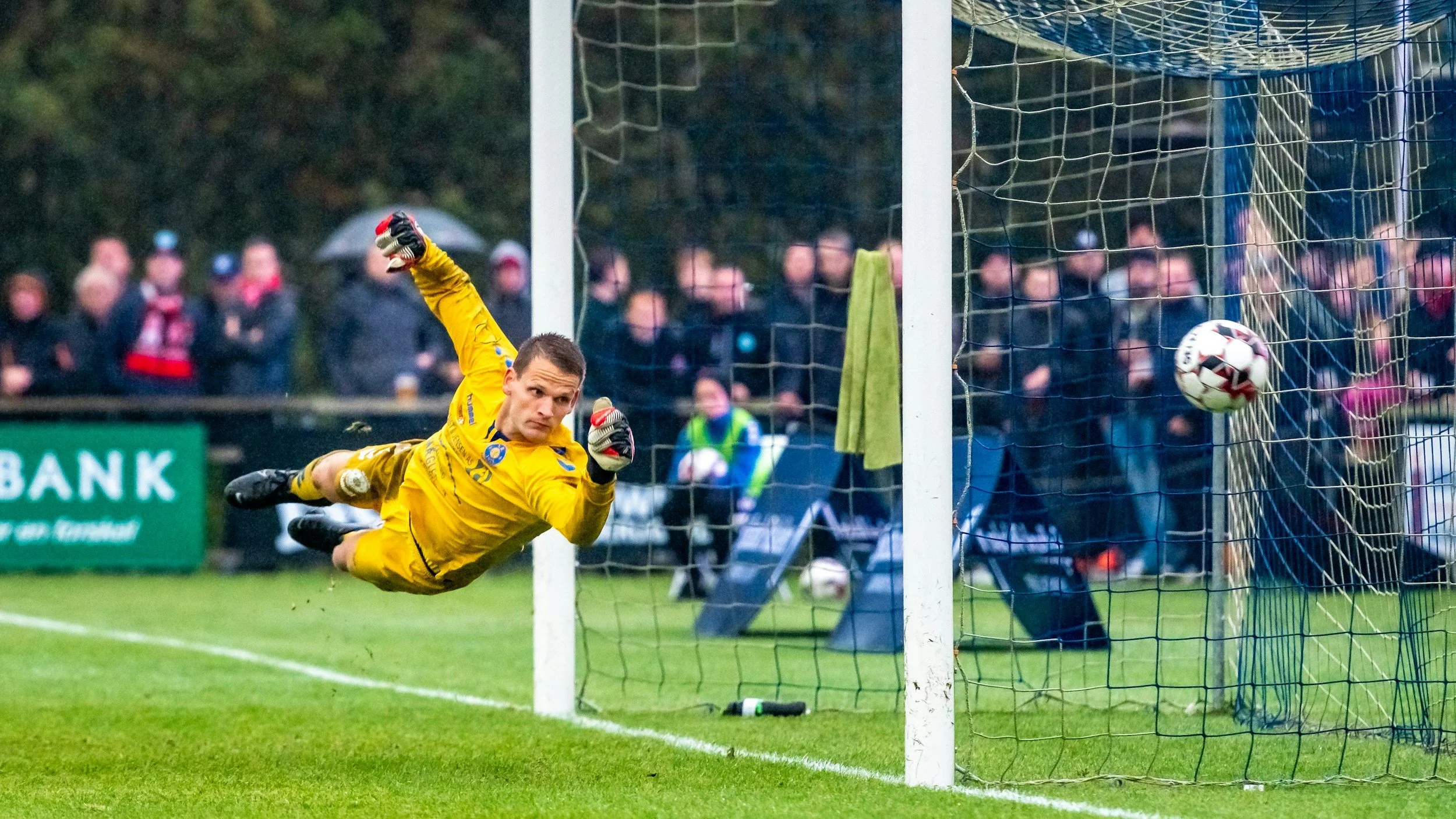
127 Million Americans Have Found Their Escape (And Pay $1,122 for It)
127 million Americans have found their escape. In a world that often feels chaotic—from rising costs, housing prices, and global tariffs to conflicts in Ukraine and the Middle East, political instability, and relentless technological disruption—there's one thing that remains remarkably consistent in American life: our love affair with sports.

Growing Up AI: When Chatbots Become Confidants
Over 70% of teenagers now use AI companions, with many finding them as satisfying as real friendships. What once seemed like far-fetched science fiction in the 2013 film 'Her' has become reality—and experts are deeply concerned about the implications for child development and mental health.

Under Pressure: Deportation Trends and Enforcement Reality - Part 2
ICE now accounts for 70% of immigration bookings compared to 30% under Biden, as enforcement shifts from border to interior. For Bay Area's 500K undocumented residents, this means surprise arrests at courts and routine appointments.